Introduction
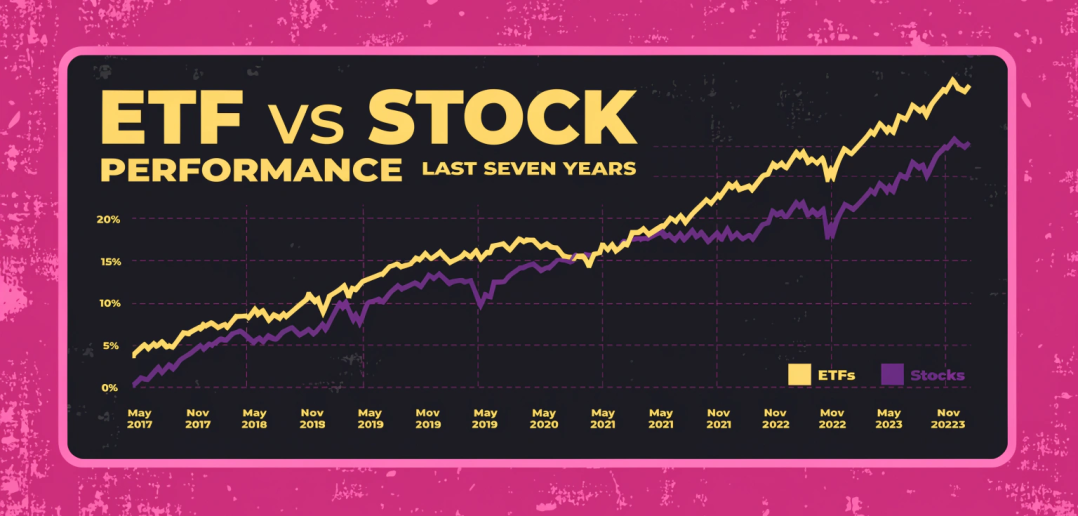
Exchange-Traded Funds (ETFs) have become one of the most popular investment vehicles for beginners in 2025. They combine the diversification of mutual funds with the flexibility of stocks, making them ideal for novice investors seeking low-cost, low-risk options. ETFs for Beginners 2025 allow exposure to various sectors, indices, or asset classes without needing to pick individual stocks. This guide provides actionable insights on ETFs, including how to choose the right ones, diversify effectively, minimize fees, and integrate them into your long-term investment strategy. Real-world examples, mini case studies, and practical tips will help beginners navigate the ETF landscape confidently. Additionally, YouTube embeds provide visual guides to complement the step-by-step instructions, helping investors gain both knowledge and confidence to start building wealth safely.
Why ETFs Are Ideal for Beginners in 2025 ETFs for Beginners
ETFs offer low-cost, diversified, and transparent investment options, making them safer than individual stock picking for beginners. In 2025, the rise of online brokerages and robo-advisors has simplified ETF investing, enabling easy portfolio setup and automatic reinvestment. ETFs also provide exposure to global markets, reducing reliance on single-country economic performance.
Mini Case Study: Mark, a 30-year-old professional, invested $500/month in S&P 500 ETFs. Over three years, his portfolio grew steadily, demonstrating the benefits of diversification, low fees, and compounding.
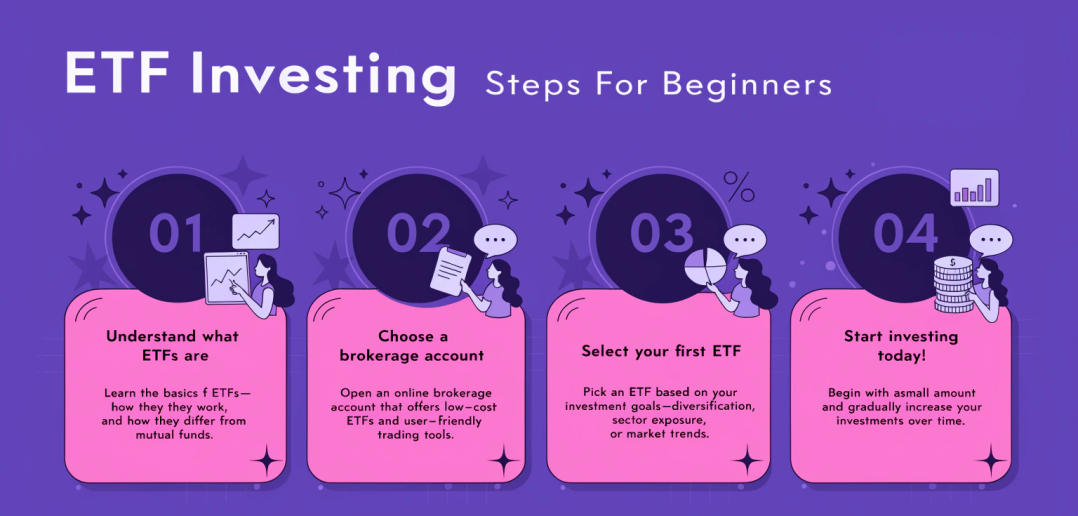
Key Steps to Start Investing in ETFs for Beginners
1. Understand ETF Basics
ETFs are funds that track indices, sectors, commodities, or other assets. They trade on exchanges like stocks and offer liquidity, transparency, and flexibility.
Practical Tip: Begin with broad market ETFs for stability, such as S&P 500 or Total Market ETFs.
Common Mistake: Confusing ETFs with mutual funds or assuming all ETFs are identical.
Fix: Research the ETF’s underlying assets, fees, and historical performance.
YouTube Embed Idea: “ETF Investing for Beginners”
2. Set Investment Goals
Define whether the ETF investment is for retirement, emergency funds, or wealth accumulation. Goals influence the type of ETFs and investment strategy.
Mini Case Study: Jessica invested in dividend-focused ETFs for monthly income while keeping growth ETFs for retirement. This balanced her short- and long-term goals.
Common Mistake: Investing without clear objectives.
Fix: Align ETF selection with measurable, time-bound financial goals.
YouTube Embed Idea: “How to Set Investment Goals”
3. Choose the Right ETFs
Broad Market ETFs: Cover entire indices for diversification.
Sector ETFs: Focus on technology, healthcare, energy, etc.
Bond ETFs: Provide fixed-income exposure.
International ETFs: Diversify across global markets.
Mini Case Study: David split his investments 60% broad market ETFs, 20% international, 20% sector-specific ETFs. This provided steady growth while mitigating risk.
Common Mistake: Choosing ETFs based on trends or popularity without research.
Fix: Review historical performance, fees, liquidity, and underlying assets before investing.
YouTube Embed Idea: “Choosing ETFs for Your Portfolio”
4. Monitor and Rebalance Your ETF Portfolio
Regularly review ETF performance to ensure alignment with your financial goals. Rebalance when certain ETFs grow faster or slower than others to maintain risk balance.
Mini Case Study: Emily reviewed her ETF portfolio semi-annually and shifted allocations from outperforming sectors to underrepresented ones, maintaining diversification.
Common Mistake: Ignoring portfolio balance, leading to overexposure in one sector.
Fix: Schedule periodic reviews and rebalance as needed.
YouTube Embed Idea: “ETF Portfolio Rebalancing”
5. Minimize Fees and Costs
ETFs are low-cost, but fees vary. Look for low expense ratios, minimal trading commissions, and tax-efficient structures.
Mini Case Study: Michael switched from a high-fee ETF to a low-cost equivalent, increasing net returns by 1.2% annually over three years.
Common Mistake: Ignoring fees that erode returns over time.
Fix: Always compare expense ratios and trading costs before selecting ETFs.
YouTube Embed Idea: “ETF Fees Explained”
Common Beginner Mistakes with ETFs for Beginners
Investing without understanding the ETF’s underlying assets.
Over-concentration in a single sector or asset type.
Ignoring fees and expense ratios.
Neglecting regular portfolio reviews.
Trying to time the market instead of investing consistently.
FAQ
Q: What is the best ETF for beginners in 2025?
A: Broad market ETFs like S&P 500 or Total Market ETFs are ideal for beginners.
Q: How much should I invest in ETFs monthly?
A: Start with a small, consistent amount, e.g., $50–$200, and increase over time.
Q: Can ETFs lose money?
A: Yes, ETFs follow the market. Diversification and long-term investing reduce risk.
Q: Should I rebalance my ETF portfolio?
A: Yes, periodically adjust allocations to maintain diversification and risk balance.
Q: Are ETFs taxed differently than stocks?
A: ETFs may have tax advantages, but tax treatment depends on the type and jurisdiction.
Conclusion
ETFs provide beginner-friendly, low-cost, and diversified options for investors in 2025. By understanding their basics, aligning with financial goals, selecting the right ETFs, monitoring performance, and minimizing costs, beginners can build a balanced, resilient portfolio. Consistent investment, coupled with research and strategic planning, ensures steady wealth accumulation over time.
Internal & External Links
Internal:
investing-for-beginners-2025
Dividend Investing 2025
Side Hustle Ideas 2025
External: