Introduction
Starting your Investing for Beginners 2025 journey can be overwhelming in 2025. With countless options like stocks, ETFs, bonds, cryptocurrencies, and real estate, beginners often struggle to know where to start. Investing wisely requires understanding your financial goals, risk tolerance, and long-term strategies. This guide is designed to simplify investing for beginners, providing actionable steps, practical examples, and common pitfalls to avoid. We’ll cover how to select investment vehicles, diversify your portfolio, and leverage modern tools to build wealth safely. By following these strategies, even novice investors can gain confidence, reduce risk, and steadily grow their wealth over time. With clear guidance, mini case studies, and YouTube resources, you’ll be equipped to take informed steps toward financial growth in 2025.
Why Investing Matters for Beginners in 2025
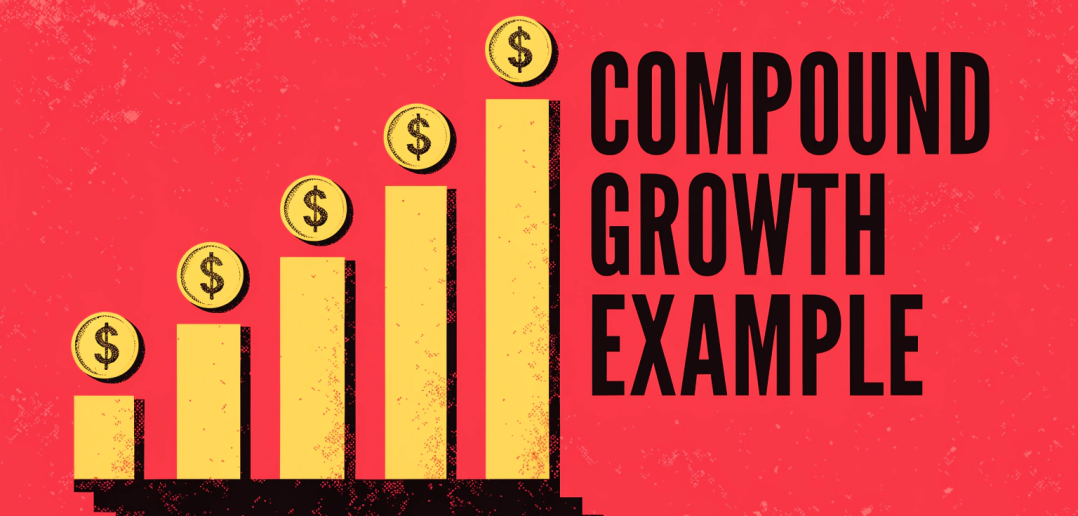
Investing allows your money to grow faster than traditional savings, combats inflation, and builds financial security. In 2025, low interest rates on savings accounts make investing a critical component of wealth creation. Starting early enables compounding, which can exponentially increase returns over time.
Mini Case Study: Anna, 25, started investing $200/month in an S&P 500 ETF. Within five years, her investment grew significantly thanks to compounding and market growth, illustrating the power of early, consistent investing.
Key Steps for Beginner Investors
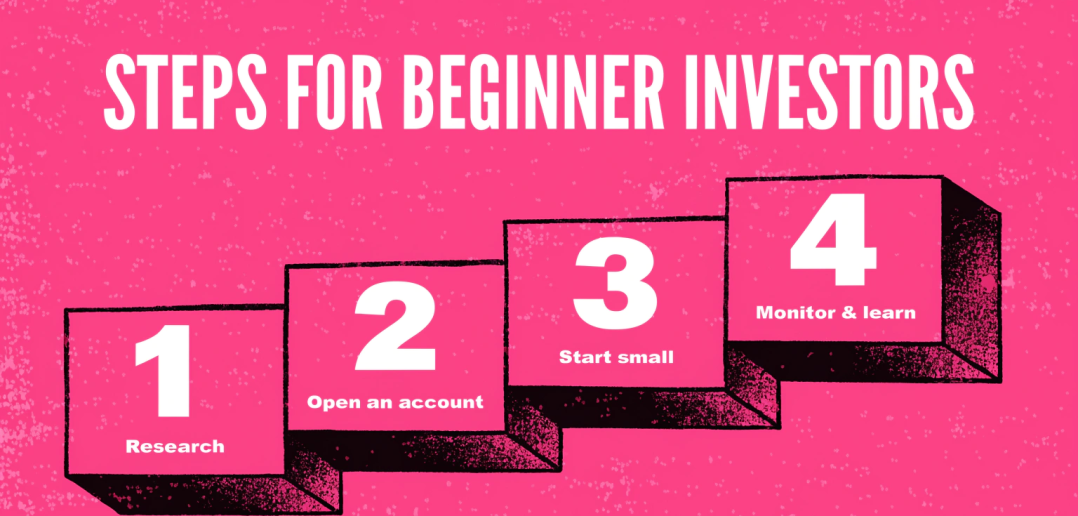
1. Set Clear Financial Goals
Goals determine how much to invest, what to invest in, and your risk tolerance. Short-term goals may include saving for a vacation, while long-term goals involve retirement or property.
Practical Tip: Write down goals, categorize them, and assign realistic timelines and investment strategies.
Common Mistake: Investing without clear objectives.
Fix: Define measurable, time-bound goals to guide your investment choices.
YouTube Embed Idea: “Setting Financial Goals for Beginners”
2. Understand Different Investment Options
Stocks: Ownership in companies; potential for growth and dividends.
ETFs & Index Funds: Diversified, low-cost options tracking market indices.
Bonds: Safer, fixed-income investments.
Real Estate: Rental income and appreciation.
Digital Assets: Cryptocurrencies and NFTs, high-risk but high-reward.
Mini Case Study: Leo balanced his portfolio with 50% ETFs, 30% stocks, 20% bonds, reducing risk while achieving steady growth.
Common Mistake: Investing only in one type of asset.
Fix: Diversify across multiple investment types to balance risk and returns.
YouTube Embed Idea: “Investment Options for Beginners” –
3. Start Small and Be Consistent
Investing doesn’t require large sums. Regular contributions, even small, leverage compounding over time.
Practical Tip: Automate monthly investments through brokerage accounts or robo-advisors.
Mini Case Study: Sara invested $50/month in ETFs. After 10 years, the total growth was substantial due to consistency and compounding returns.
Common Mistake: Waiting for “perfect timing.”
Fix: Start immediately with small, consistent amounts; timing the market is less important than time in the market.
YouTube Embed Idea: “How to Start Investing with Little Money” –
4. Diversify Your Portfolio
Diversification reduces risk and balances potential losses. Spread investments across multiple asset classes and sectors.
Mini Case Study: Tom invested in technology, healthcare, ETFs, and bonds. When tech underperformed, bonds and ETFs stabilized his returns.
Common Mistake: Over-concentration in one sector or stock.
Fix: Regularly review and adjust allocations to maintain balance.
YouTube Embed Idea: “Portfolio Diversification for Beginners” –
5. Monitor and Adjust Investments
Regularly tracking your portfolio ensures alignment with goals and market conditions. Rebalance as needed to maintain desired risk exposure.
Mini Case Study: Emily reviewed her portfolio every 6 months, shifting allocations from overperforming stocks to underrepresented assets to maintain diversification.
Common Mistake: Ignoring portfolio performance.
Fix: Schedule regular reviews and make strategic adjustments.
YouTube Embed Idea: “How to Monitor Investments” –
Common Mistakes Beginners Make
Investing without a plan.
Following hype instead of research.
Ignoring diversification.
Trying to time the market.
Neglecting long-term goals.
FAQ
Q: What is the best first investment for beginners?
A: Low-cost ETFs or index funds provide broad market exposure with minimal risk.
Q: How much should I invest as a beginner?
A: Start small, even $50–$200/month, and increase contributions over time.
Q: Is it safe to invest in stocks in 2025?
A: Yes, with diversification and a long-term approach to manage risk.
Q: How often should beginners review investments?
A: Quarterly or semi-annually, or during significant life changes.
Q: Can beginners invest in cryptocurrencies safely?
A: Only a small portion of the portfolio should go into high-risk assets like crypto, after research.
Conclusion
Investing for beginners in 2025 is about starting early, staying consistent, and making informed decisions. By setting clear goals, diversifying assets, and monitoring progress, even novice investors can steadily grow their wealth while minimizing risk. Modern tools and accessible platforms make investing simpler than ever—success comes from disciplined planning, patience, and continuous learning.
Internal & External Links
Internal:
Side Hustle Ideas 2025
smart-investment-strategies-2025
Investing for Beginners 2025
External:
Investopedia – Beginner Investing Guide
Forbes – Investing for Beginners