
Introduction
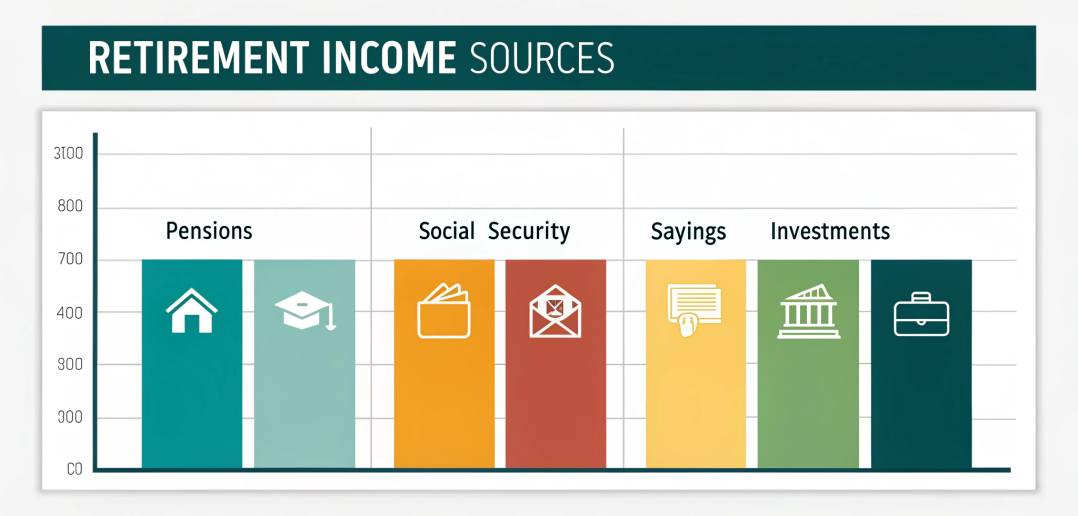
Retirement Income Planning 2025 is a cornerstone of financial security in 2025. It ensures that retirees have sufficient cash flow to cover living expenses, healthcare, and lifestyle needs without depleting their savings prematurely. This comprehensive guide covers strategies for generating sustainable retirement income, including Social Security optimization, pensions, dividend stocks, annuities, and rental income. Real-world mini case studies demonstrate practical approaches, while embedded YouTube videos provide visual, step-by-step guidance. Topics also include tax-efficient withdrawal strategies, risk management, and balancing income sources to protect against market volatility. By implementing these strategies, individuals can maintain financial independence, preserve wealth, and enjoy peace of mind throughout their retirement years.
Why Retirement Income Planning is Critical in 2025
Rising healthcare costs, inflation, and longer lifespans make it essential to plan income sources carefully. Strategic planning ensures that funds last throughout retirement without sacrificing lifestyle quality.
Mini Case Study: John optimized his Social Security benefits and combined them with dividend income and rental properties, ensuring consistent monthly cash flow and minimal withdrawals from his retirement accounts.
Key Strategies for Retirement Income Planning
1. Optimize Social Security Benefits
Delay claiming Social Security until full retirement age or beyond to maximize monthly benefits and lifetime income.
Mini Case Study: Sarah delayed her Social Security claim until age 70, increasing her monthly benefits by over 30% compared to early claiming at 62.
Common Mistake: Claiming benefits too early.
Fix: Analyze expected lifespan and income needs before deciding when to claim.
YouTube Embed Idea: “Maximizing Social Security Benefits”
2. Pension and Annuity Planning
Combine pensions, annuities, and other guaranteed income sources to provide stable cash flow during retirement.
Mini Case Study: Michael structured his retirement income using a defined-benefit pension and a fixed annuity, covering essential expenses reliably each month.
Common Mistake: Ignoring inflation protection.
Fix: Consider cost-of-living adjustments (COLAs) or inflation-linked annuities.
YouTube Embed Idea: “Pension and Annuity Strategies”
3. Dividend Stocks and REITs
Invest in income-generating assets such as dividend-paying stocks and REITs for regular cash flow without selling principal.
Mini Case Study: Lisa allocated 40% of her portfolio to dividend ETFs and REITs, receiving quarterly payouts to supplement Social Security income.
Common Mistake: Over-reliance on growth stocks for income.
Fix: Focus on reliable dividend-yielding investments with strong track records.
YouTube Embed Idea: “Dividend Investing for Retirement Income”
4. Rental Properties and Passive Income
Generate supplemental income through real estate rentals, online businesses, or other passive streams to reduce reliance on savings withdrawals.
Mini Case Study: Mark rented two properties, which provided monthly income covering mortgage and expenses, stabilizing his retirement cash flow.
Common Mistake: Underestimating property management costs.
Fix: Factor in maintenance, vacancies, and taxes when planning income.
YouTube Embed Idea: “Rental Income for Retirement”
5. Tax-Efficient Withdrawals
Plan withdrawals from retirement accounts (401(k), IRA, Roth IRA) strategically to minimize taxes and maximize income.
Mini Case Study: Emily withdrew from taxable accounts first and Roth accounts later, optimizing her tax situation and keeping more funds in the portfolio longer.
Common Mistake: Random or early withdrawals causing high tax bills.
Fix: Follow a withdrawal strategy tailored to your tax bracket and income needs.
YouTube Embed Idea: “Tax-Efficient Retirement Withdrawals”

Common Mistakes in Retirement Income Planning
Relying on a single income source.
Not accounting for inflation or market volatility.
Early or poorly-timed Social Security claims.
Ignoring tax-efficient withdrawal strategies.
Neglecting emergency funds or liquidity needs.
FAQ
Q: How much income do I need in retirement?
A: Typically 70–80% of pre-retirement income, adjusted for lifestyle, expenses, and healthcare.
Q: When should I start planning retirement income?
A: Ideally 10–20 years before retirement to allow growth and strategic planning.
Q: Can rental income replace part of retirement savings withdrawals?
A: Yes, rental or passive income can reduce portfolio withdrawals, extending wealth longevity.
Q: How can I minimize taxes on retirement income?
A: Use tax-efficient withdrawals, Roth conversions, and diversify income sources across taxable and tax-free accounts.
Q: Should I adjust retirement income strategy over time?
A: Yes, review annually to account for market conditions, lifestyle changes, and healthcare needs.
Conclusion
Retirement income planning in 2025 is essential for financial stability, wealth preservation, and lifestyle security. By combining Social Security optimization, pensions, annuities, dividend stocks, rental income, and tax-efficient withdrawals, retirees can create sustainable income streams while minimizing risk. Strategic planning, diversification, and periodic review ensure that retirement funds last throughout the golden years, providing peace of mind and financial independence.
Internal & External Links
Internal:
retirement-planning-2025
passive-income-retirement-2025
safe-investments-retirement-2025
External:
Investopedia – Retirement Income Planning
Forbes – Retirement Income Strategies


